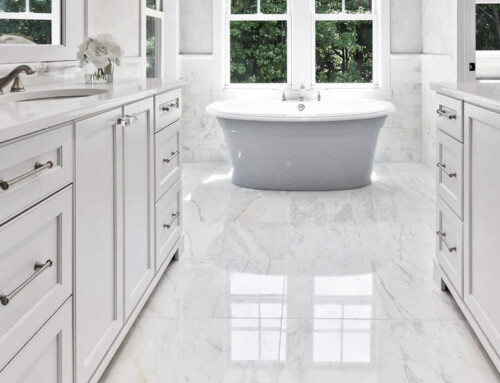
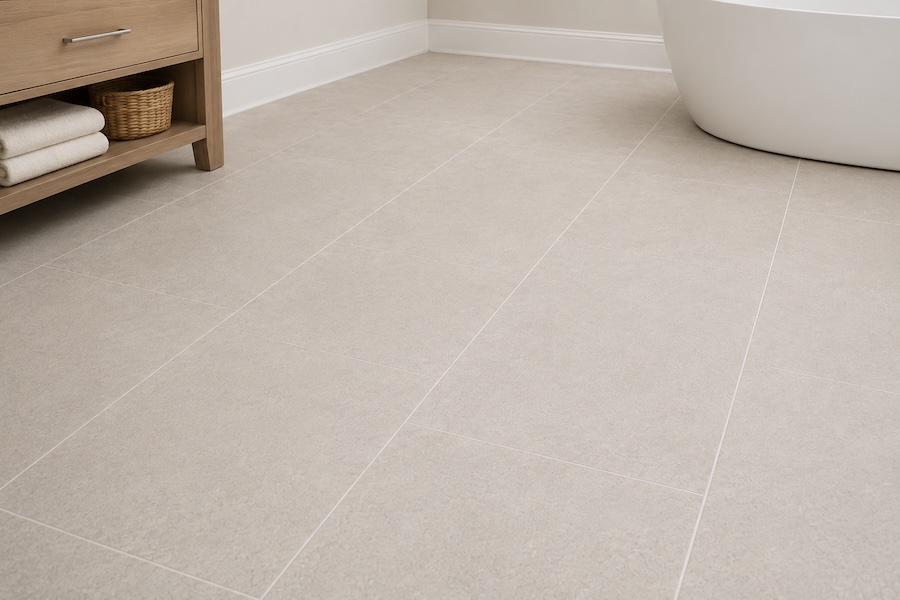
Bathroom tile works hard. It handles water, steam, soap, shampoo, toothpaste, hairspray, muddy feet, and whatever mystery mess somehow appears near the sink. Over time, even beautiful tile can start to look dull if it is not cleaned the right way.
The good news? Learning how to clean bathroom tiles is not hard. With the right products, a little patience, and a few smart habits, you can keep your bathroom tile looking fresh, bright, and ready for its close-up.
Whether you are cleaning shower tiles, bathroom floor tiles, wall tiles, or grout lines, this guide will walk you through the best way to clean bathroom tiles and grout without making the job harder than it needs to be.
Why Bathroom Tile Gets Dirty So Fast
Bathrooms are naturally humid spaces. That means tile is exposed to moisture almost every day.
Common causes of dirty bathroom tile include:
- Soap scum
- Hard water spots
- Mildew
- Dust and hair
- Shampoo and conditioner residue
- Toothpaste splatter
- Dirty grout lines
- Poor ventilation
Tile itself is usually easy to wipe clean. Grout is the tricky part. Because grout is porous, it can absorb moisture, dirt, and stains more easily than tile. That is why many people search for how to clean grout or how to clean bathroom tile grout when their bathroom starts to look dingy.
What You Need to Clean Bathroom Tiles
Before you start scrubbing, gather the right supplies.
You may need:
- Mild dish soap
- Warm water
- White vinegar
- Baking soda
- Spray bottle
- Soft sponge or microfiber cloth
- Soft-bristle brush
- Old toothbrush
- Mop
- Clean towels
- Grout brush
- pH-neutral cleaner for natural stone tile
Avoid using harsh scrubbers or abrasive tools that can scratch tile. You should also avoid mixing cleaning products. Never mix bleach with vinegar, ammonia, or other cleaners.
If you have natural stone tile, such as marble, travertine, slate, or limestone, skip vinegar and acidic cleaners. These can damage the stone. Use a stone-safe, pH-neutral cleaner instead.
How to Clean Bathroom Tiles Step by Step
The best way to clean bathroom tiles depends on where the tile is located. Shower tile, floor tile, and wall tile all need slightly different care.
Here is a simple process that works for many ceramic and porcelain bathroom tiles.
1. Start With a Quick Dry Wipe
Before adding cleaner, remove loose dust, hair, and debris.
For bathroom wall tiles, use a dry microfiber cloth. For bathroom floor tiles, sweep or vacuum first. This keeps dirt from turning into muddy streaks once the tile gets wet.
This step may seem small, but it makes tile cleaning much easier.
2. Mix a Gentle Cleaning Solution
For everyday bathroom tile cleaning, mix warm water with a small amount of mild dish soap.
This simple mix works well for:
- Ceramic tile
- Porcelain tile
- Most glazed bathroom tiles
- Light soap residue
- General dirt and dust
Use a sponge or microfiber cloth to apply the solution. Wipe the tile in sections so the cleaner does not dry before you rinse it.
3. Scrub Trouble Spots Gently
If you see soap scum, water spots, or buildup, give those areas a little extra attention.
Use a soft sponge or soft-bristle brush. Scrub in small circles instead of pressing too hard. Let the cleaner do most of the work.
For tougher spots on ceramic or porcelain tile, a mix of baking soda and water can help. Make a paste, apply it to the stain, let it sit for a few minutes, then scrub gently and rinse.
4. Rinse the Tile Well
After cleaning, rinse the tile with clean water.
This step matters because leftover cleaner can leave a film behind. That film can make tile look cloudy and attract more dirt later.
For shower tiles, use a handheld showerhead if you have one. For wall tiles or floor tiles, use a clean damp cloth or mop.
5. Dry the Tile
Drying the tile helps prevent water spots, streaks, and mildew.
Use a clean towel or microfiber cloth to wipe the surface dry. In showers, a squeegee can also help remove extra water from the tile and glass.
This is one of the easiest ways to keep bathroom tile looking cleaner between deep cleans.
How to Clean Shower Tiles
Shower tiles usually need more attention than other bathroom tiles because they are exposed to water, soap, and steam every day.
Here is how to clean shower tiles the easy way:
- Rinse the shower walls with warm water.
- Spray the tile with a mild bathroom cleaner or soap-and-water mix.
- Let it sit for a few minutes.
- Scrub with a soft brush or sponge.
- Focus on corners, shelves, and areas near the floor.
- Rinse well.
- Dry with a towel or squeegee.
If your shower has heavy soap scum, you may need to repeat the process.
For glass tile, avoid rough scrubbers. For stone shower tile, use only a stone-safe cleaner.
How to Clean Bathroom Floor Tiles
Bathroom floor tiles deal with foot traffic, dust, hair, splashes, and cleaning product residue. They can get dull quickly if dirt builds up.
To clean bathroom floor tiles:
- Sweep or vacuum first.
- Mop with warm water and a mild tile cleaner.
- Scrub grout lines if needed.
- Rinse with clean water.
- Dry the floor with a clean towel.
Try not to flood the floor with too much water, especially near vanities, toilets, baseboards, and doorways. Too much water can work its way into areas where it does not belong.
How to Clean Bathroom Wall Tiles
Bathroom wall tiles are usually easier to clean than shower or floor tiles, but they can still collect dust, hairspray, toothpaste, and soap residue.
To clean bathroom wall tiles:
- Dust or wipe the tile with a dry cloth.
- Use warm water and mild soap.
- Wipe from top to bottom.
- Rinse with a clean damp cloth.
- Dry to prevent streaks.
For tile behind the sink, pay extra attention to toothpaste splatter and water marks.
How to Clean Bathroom Tile Grout
Grout lines can make or break how clean your bathroom looks. Even if the tile is spotless, stained grout can make the whole room feel older.
Here is how to clean tile grout in the bathroom:
- Make a paste with baking soda and water.
- Apply the paste to the grout lines.
- Let it sit for 5 to 10 minutes.
- Scrub with a grout brush or old toothbrush.
- Rinse with clean water.
- Dry the area with a towel.
For tougher grout stains, you can use a cleaner made for tile grout. Always follow the product directions and test it in a small area first.
If you are wondering about the best way to clean grout, the answer is usually consistency. Light cleaning on a regular schedule is much easier than trying to rescue grout that has been stained for months or years.
How to Clean Bathroom Tiles and Grout Together
If the whole bathroom needs a refresh, clean the tile and grout together in sections.
Start at the top of the room and work your way down. This keeps dirty water from dripping onto areas you already cleaned.
A good order is:
- Wall tile
- Shower tile
- Vanity backsplash tile
- Grout lines
- Floor tile
Save the bathroom floor for last. It will catch dust, drips, and rinse water from the rest of the cleaning process.
What Not to Use on Bathroom Tile
Some cleaning products can do more harm than good.
Be careful with:
- Steel wool
- Rough scouring pads
- Acidic cleaners on natural stone
- Bleach-heavy products used too often
- Oil-based cleaners that leave residue
- Colored cleaners that may stain grout
- Too much water on floors or near cabinets
Always check what type of tile you have before choosing a cleaner. Ceramic and porcelain tile are usually more forgiving. Natural stone needs more careful care.
How Often Should You Clean Bathroom Tiles?
A little routine cleaning can save you from a big weekend scrub session later.
A simple schedule:
- Wipe shower tile: 1 to 2 times per week
- Clean bathroom floor tile: weekly
- Clean bathroom wall tile: every 2 to 4 weeks
- Scrub grout lines: monthly or as needed
- Deep clean shower tile and grout: every 1 to 3 months
Bathrooms with heavy daily use may need more frequent cleaning, especially shared bathrooms and primary bathrooms.
How to Keep Bathroom Tiles Cleaner Longer
Cleaning is easier when your bathroom is designed and maintained well.
To keep bathroom tiles cleaner longer:
- Run the bathroom fan during and after showers.
- Use a squeegee on shower walls.
- Keep shampoo and soap bottles off the floor.
- Wipe up puddles quickly.
- Clean small stains before they set.
- Use bath mats that dry quickly.
- Seal grout if recommended.
- Fix leaks right away.
Good ventilation is especially important in Maryland, Northern Virginia, and Washington, DC homes, where seasonal humidity can make bathrooms feel damp if airflow is poor.
When Cleaning Is Not Enough
Sometimes, tile and grout need more than a good scrub.
It may be time to consider repairs or a bathroom update if you notice:
- Cracked tile
- Loose tile
- Missing grout
- Mold that keeps coming back
- Soft walls or floors
- Leaks around the shower or tub
- Grout that stays dark after cleaning
- Outdated tile that no longer fits your style
If your bathroom tile is damaged, stained, or hard to maintain, cleaning may only be a temporary fix. A remodel can give you a bathroom that is easier to clean and better suited to your daily routine.
Bathroom Tile Cleaning and Remodeling in MD, Northern VA, and DC
Metropolitan Bath & Tile helps homeowners throughout Maryland, Northern Virginia, and Washington, DC create bathrooms that are beautiful, practical, and easier to care for.
If you are planning a bathroom remodel, our team can help you choose tile, grout, shower materials, flooring, and finishes that fit your style and maintenance needs. The right materials can make a big difference in how your bathroom looks and how easy it is to keep clean.
Whether you want a low-maintenance shower, updated floor tile, a fresh backsplash, or a full bathroom remodel, Metropolitan Bath & Tile can help you design a space that works for real life.
Ready for a Bathroom That Is Easier to Clean?
Knowing how to clean bathroom tiles can help keep your space fresh. But if your tile is cracked, stained, outdated, or difficult to maintain, it may be time for a bigger change.
Metropolitan Bath & Tile can help you remodel your bathroom with beautiful tile, smart design choices, and durable materials that make everyday care easier.
Contact Metropolitan Bath & Tile to start planning your bathroom remodel in Maryland, Northern Virginia, or Washington, DC.
Frequently Asked Questions
What is the best way to clean bathroom tiles?
The best way to clean bathroom tiles is to use warm water, mild soap, and a soft sponge or cloth. Rinse well and dry the tile to help prevent streaks, water spots, and mildew.
How do you clean bathroom tile grout?
To clean bathroom tile grout, apply a baking soda and water paste to the grout lines, let it sit for a few minutes, scrub with a grout brush, rinse, and dry. For deeper stains, use a tile grout cleaner made for your grout type.
How do you clean shower tiles?
To clean shower tiles, rinse the walls with warm water, apply a mild bathroom cleaner, let it sit briefly, scrub gently, rinse well, and dry the surface with a towel or squeegee.
How do you clean bathroom floor tiles?
Sweep or vacuum first, then mop bathroom floor tiles with warm water and a mild tile cleaner. Rinse with clean water and dry the floor to reduce streaks and water spots.
How often should bathroom tiles be cleaned?
Bathroom tiles should be wiped or cleaned weekly in high-use areas. Shower tiles and grout may need more frequent cleaning because they are exposed to water, soap, and steam.
Can vinegar be used to clean bathroom tiles?
Vinegar can be used on some ceramic and porcelain tiles, but it should not be used on natural stone tile such as marble, limestone, slate, or travertine. Acidic cleaners can damage natural stone.
Why does bathroom grout get dirty so quickly?
Bathroom grout gets dirty because it is porous and can absorb moisture, soap residue, and dirt. Regular cleaning, good ventilation, and proper sealing can help grout stay cleaner longer.