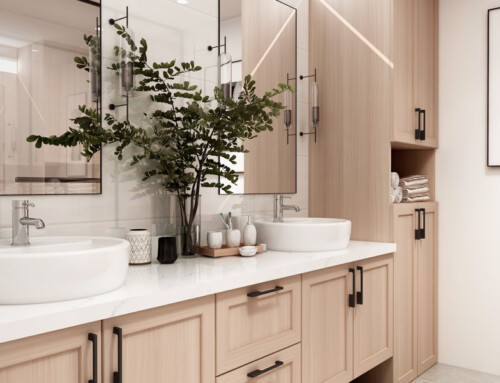

Modern bathroom design is no longer just about finishes and fixtures, it’s about creating an experience. Homeowners are increasingly turning their bathrooms into spa-like environments where relaxation, wellness, and functionality all come together.
One of the most popular ways to elevate that experience is through aromatherapy in bathroom design. From calming lavender scents to refreshing eucalyptus, aromatherapy can transform a routine shower into a restorative ritual.
But incorporating aromatherapy into a bathroom isn’t as simple as adding a diffuser. Because bathrooms are naturally humid environments, ventilation, moisture control, and proper product selection all play a critical role in both performance and long-term durability.
In this guide, we’ll break down how to design a bathroom that successfully integrates aromatherapy, without compromising air quality, materials, or comfort.
What Is Aromatherapy in Bathroom Design?
Aromatherapy in bathroom design refers to the intentional use of essential oils, steam, and scent-diffusing systems to enhance mood, relaxation, and overall wellness.
Rather than just adding fragrance, aromatherapy works by stimulating the senses through scent, helping promote calm, focus, or energy depending on the oils used.
Common Aromatherapy Goals in Bathrooms
- Creating a spa-like, relaxing environment.
- Enhancing morning routines with energizing scents.
- Reducing stress and mental fatigue.
- Improving perceived air freshness.
Bathrooms are especially effective for aromatherapy because steam from showers helps carry scent throughout the space.
Why Ventilation Is the Foundation of Aromatherapy Design
Before adding any diffuser or scent system, ventilation needs to be addressed first.
Bathrooms naturally generate high levels of humidity from showers, baths, and sinks. Without proper airflow, moisture can linger on surfaces and in the air, leading to mold, mildew, and material damage.
Why Ventilation Matters
- Removes excess humidity.
- Prevents mold and mildew growth.
- Protects tile, grout, and cabinetry.
- Improves indoor air quality.
- Allows scents to circulate properly.
Proper airflow also ensures that essential oil vapors don’t become overwhelming or trapped in the space.
Best Practices for Bathroom Ventilation
- Install a properly sized exhaust fan.
- Run the fan during and after showers, at least 20 minutes.
- Use humidity-sensing fans for automatic control.
- Ensure vents are ducted outside, not into attics.
- Incorporate windows when possible for natural airflow.
A well-ventilated bathroom not only protects your investment, it actually enhances how aromatherapy performs.
Related Read: What to Consider Before a Bathroom Remodel
Choosing the Right Diffuser for Your Bathroom
Not all diffusers work the same way, especially in a humid environment like a bathroom.
Choosing the right type of diffuser ensures that scents are distributed evenly without adding unnecessary moisture or damaging surfaces.
Types of Bathroom Diffusers
1. Ultrasonic Diffusers
- Use water and essential oils to create a mist.
- Add slight moisture to the air.
- Best for larger bathrooms.
2. Evaporative Diffusers
- Use airflow to disperse scent.
- Do not add moisture.
- Ideal for smaller or already humid spaces.
3. Nebulizing Diffusers
- Use pure essential oils with no water.
- Strong scent output.
- Best for controlled, short-term use.
Some diffusers release moisture while others don’t, so choosing the right one depends on your bathroom’s humidity levels.
Where to Place a Diffuser in Your Bathroom
Placement is just as important as the diffuser itself.
Bathrooms have unique airflow patterns due to steam, ventilation, and layout. Poor placement can cause scent to dissipate too quickly, or not circulate at all.
Ideal Diffuser Placement
- Near, but not directly next to, the shower.
- Away from direct water exposure.
- Positioned where airflow can carry scent, such as near vents or open space.
- On stable, moisture-resistant surfaces.
Avoid placing diffusers in tight corners where air stagnates. Fragrance performs best when it can move freely through the room.
Related Read: Bathroom Layout Ideas for Better Functionality
Moisture Control: The Key to Long-Term Performance
Aromatherapy and moisture are closely connected, but too much moisture can cause problems.
Excess humidity can:
- Break down essential oils.
- Cause scents to fade unevenly.
- Damage finishes and materials.
- Promote mold growth.
Bathrooms should ideally maintain a balanced humidity level to protect both design elements and air quality.
Ideal Bathroom Humidity Range
- 40%–60% relative humidity is generally recommended for comfort and mold prevention.
Strategies for Managing Moisture in Aromatherapy Bathrooms
Designing a bathroom that supports aromatherapy means actively controlling moisture levels.
Practical Moisture Control Strategies
- Use exhaust fans consistently.
- Install moisture-resistant materials, including tile, sealed grout, and waterproof finishes.
- Wipe down surfaces after showers.
- Consider a dehumidifier in high-humidity homes.
- Ensure proper drainage and waterproofing.
Ventilation and airflow don’t just protect your bathroom, they also help essential oils diffuse more evenly and consistently.
Selecting the Right Essential Oils for Bathrooms
Not all essential oils perform well in humid environments.
Steam, heat, and airflow can affect how oils disperse and how long scents last.
Best Essential Oils for Bathroom Use
- Lavender: calming and relaxing.
- Eucalyptus: refreshing and spa-like.
- Citrus, such as lemon or orange: energizing and clean.
- Peppermint: invigorating and cooling.
High-quality oils are important for both safety and performance. Using too much oil or low-quality blends can lead to overpowering scents or residue buildup.
Tips for Using Essential Oils Safely
- Use only a few drops at a time.
- Choose pure, high-quality oils.
- Clean diffusers regularly.
- Avoid overuse in small spaces.
- Ensure proper ventilation.
How Aromatherapy Enhances Bathroom Design
When done correctly, aromatherapy becomes an integrated part of bathroom design, not just an add-on.
Design Benefits
- Enhances relaxation and wellness.
- Elevates everyday routines.
- Complements spa-inspired layouts.
- Adds a sensory layer to the space.
Aromatherapy pairs especially well with features like:
- Steam showers.
- Freestanding tubs.
- Natural materials, including stone and wood-look tile.
- Soft lighting and neutral color palettes.
Related Read: How to Create a Spa-Like Bathroom at Home
Common Mistakes to Avoid
Even well-designed bathrooms can run into issues if aromatherapy isn’t implemented correctly.
Mistakes to Watch For
- Poor ventilation leading to trapped moisture.
- Using the wrong type of diffuser for the space.
- Overloading the room with strong scents.
- Ignoring humidity levels.
- Placing diffusers in unsafe or ineffective locations.
Avoiding these mistakes ensures your bathroom remains both functional and enjoyable over time.
Final Thoughts
Aromatherapy can transform a bathroom from a purely functional space into a true wellness retreat, but it requires thoughtful design.
By prioritizing ventilation, choosing the right diffuser, and maintaining proper moisture control, you can create a bathroom that not only looks beautiful but also supports relaxation and long-term performance.
When all elements work together, airflow, materials, layout, and scent, you get more than a bathroom. You get an experience.
Frequently Asked Questions
Can you use aromatherapy in a small bathroom?
Yes, but proper ventilation is essential to prevent scents from becoming too concentrated.
Do diffusers increase bathroom humidity?
Some diffusers, like ultrasonic models, add moisture, while others do not. Choosing the right type depends on your bathroom conditions.
How do you prevent mold when using aromatherapy?
Use proper ventilation, run exhaust fans regularly, and control humidity levels.
What’s the best diffuser for a humid bathroom?
Evaporative or nebulizing diffusers are often better for already humid spaces.
Is aromatherapy safe in bathrooms?
Yes, when used properly with high-quality oils, appropriate quantities, and adequate ventilation.