There’s nothing quite like stepping into a warm steam room or relaxing in a sauna after a long day. Once reserved mostly for luxury spas and gyms, these wellness features are increasingly becoming part of home bathroom renovations.
A well-designed steam room or sauna can turn an ordinary bathroom into a spa-like retreat. But adding one to your home requires thoughtful planning. From choosing the right materials to ensuring proper ventilation, there are several design and construction factors to consider before starting your project.
If you’re thinking about adding a steam room or sauna to your home, here’s what you should know before the first tile is installed.
Steam Room vs. Sauna: Understanding the Difference
Before designing your space, it helps to understand how steam rooms and saunas differ.
A steam room uses moist heat generated by a steam generator, while a sauna typically uses dry heat from an electric heater or wood-burning stove.
Steam Room
- High humidity (near 100%).
- Lower temperatures, typically around 100–120°F.
- Usually built with tile, stone, or waterproof materials.
- Often integrated into a shower enclosure.
Sauna
- Dry heat environment.
- Higher temperatures (150–190°F).
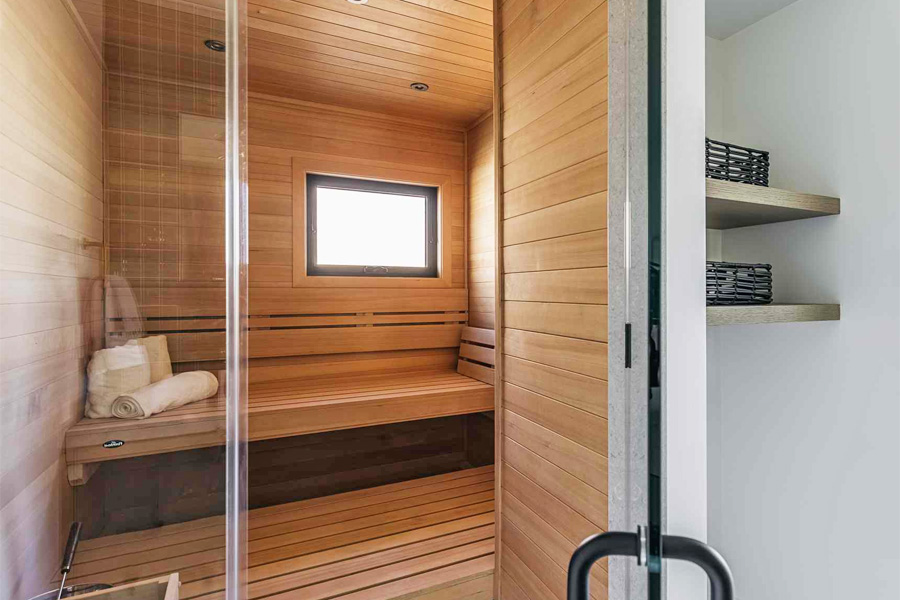
- Typically constructed with wood interiors.
- Requires specialized heating equipment.
Because steam rooms involve significant moisture, they must be designed with proper drainage, waterproofing, and ventilation. Materials must also withstand heat and humidity while remaining easy to clean.
Choosing the Right Location in Your Home
Location is one of the most important decisions when designing a steam room or sauna.
Many homeowners incorporate steam features into the primary bathroom or a large walk-in shower, while saunas may be installed in:
- Master bathrooms.
- Basement wellness spaces.
- Home gyms.
- Outdoor spa areas.
When selecting a location, consider:
- Available square footage.
- Plumbing access.
- Electrical requirements.
- Ceiling height.
- Ventilation possibilities.
Proper planning at this stage helps prevent costly remodeling adjustments later.
Materials Matter – Heat and Moisture Resistance
Steam rooms and saunas operate under conditions very different from standard bathrooms. Materials must be able to handle both heat and moisture without warping, cracking, or growing mold.
Materials Commonly Used in Steam Rooms
- Porcelain or ceramic tile.
- Natural stone.
- Waterproof grout and sealants.
- Glass enclosures.
Materials Commonly Used in Saunas
- Cedar or hemlock wood paneling.
- Heat-resistant benches.
- Insulated walls and ceilings.
- Sauna-grade heaters.
Steam rooms typically rely on tile and stone surfaces because they hold heat well and resist water damage. Saunas, on the other hand, traditionally use wood since it remains comfortable to sit on even at high temperatures.
Planning Proper Ventilation and Moisture Control
Ventilation is one of the most important factors when installing a steam room or sauna.
Without adequate airflow, moisture can build up and lead to:
- Mold growth.
- Structural damage.
- Persistent humidity.
- Poor indoor air quality.
A high-quality bathroom ventilation system helps regulate humidity and keeps surrounding areas of the bathroom dry. Proper ventilation is essential for maintaining a healthy bathroom environment overall.
Size and Layout Considerations
When designing your steam room or sauna, size matters, not just for comfort but also for efficiency.
Key layout considerations include:
- Seating height and depth.
- Door placement.
- Ceiling slope (to prevent condensation dripping).
- Drain placement.
- Steam outlet or heater location.
Typical Home Steam Room Sizes
| Size | Best For |
| 3′ x 3′ | Single user |
| 4′ x 5′ | Two people |
| 5′ x 7′ or larger | Family use |
A sloped ceiling is often recommended in steam rooms to prevent water droplets from forming and dripping directly onto occupants.
Lighting and Ambience
The experience of a steam room or sauna goes beyond heat, it’s about relaxation and atmosphere.
Soft lighting, natural textures, and calming colors can elevate the space from functional to spa-like.
Consider incorporating:
- Waterproof LED lighting
- Indirect lighting behind benches
- Natural stone accents
- Glass doors for openness
These design choices help the room feel integrated with the rest of the bathroom rather than like an isolated feature.
Related Read: Bathroom Lighting Ideas
Budget and Installation Considerations
Steam rooms and saunas vary widely in cost depending on size, materials, and equipment.
Factors that influence cost include:
- Steam generator or sauna heater.
- Electrical upgrades.
- Waterproofing and insulation.
- Tile and finish materials.
- Custom benches and glass enclosures.
Because these installations involve plumbing, electrical systems, and moisture management, professional design and installation are usually recommended.
Steam Room and Sauna Maintenance
Once installed, maintaining your steam room or sauna helps ensure it performs well for years.
Basic maintenance includes:
- Regular cleaning of surfaces.
- Inspecting seals and grout.
- Checking ventilation systems.
- Periodically servicing heaters or steam generators.
Keeping the space clean and dry when not in use helps prevent long-term moisture issues.
Final Thoughts
A home steam room or sauna can transform your bathroom into a relaxing wellness retreat. But designing one successfully requires careful planning, from selecting heat-resistant materials to ensuring proper ventilation and layout.
When these elements come together, the result is more than just a bathroom upgrade. It becomes a space where comfort, design, and relaxation meet.
If you’re planning a bathroom remodel and want to incorporate spa-inspired features, understanding these design considerations can help you create a steam room or sauna that works beautifully within your home.
Frequently Asked Questions
Can you add a steam room to an existing shower?
Yes. Many homeowners convert large walk-in showers into steam showers by adding a steam generator, proper sealing, and insulated walls.
Do steam rooms require special ventilation?
Yes. Steam rooms generate high humidity and require proper ventilation systems to prevent moisture buildup.
Is a sauna or steam room better for a home bathroom?
It depends on preference and available space. Steam rooms integrate well with showers, while saunas are typically separate wooden enclosures.
How much space do you need for a home sauna?
A small sauna can fit in an area as compact as 3×3 feet, though larger spaces provide more comfort for multiple users.
Can a steam room increase home value?
Spa-like bathroom features such as steam showers and saunas can make a home more appealing to buyers, especially in luxury remodels.