Choosing the right tile for a bathroom floor goes beyond colour and style. Moisture exposure, daily foot traffic, cleaning routines, and long-term durability all play a role in deciding which material performs best. One of the most common comparisons homeowners face during a bathroom renovation is ceramic vs porcelain tile for bathroom floor applications.
While ceramic and porcelain tiles may look similar at first glance, they differ in composition, performance, and suitability for certain bathroom conditions. Understanding these differences can help you make a more informed decision, especially when planning a bathroom remodeled or designed to last.
Understanding the Difference Between Ceramic and Porcelain Tile
Both ceramic and porcelain tiles are made from clay and fired in a kiln, but the materials and manufacturing processes differ.
Ceramic Tile Basics
Ceramic tile is made from natural clay that is fired at a lower temperature. It typically has a glazed surface and is slightly more porous than porcelain.
Common characteristics:
- Softer material
- Easier to cut and install
- Available in a wide range of colours and styles
- Generally more budget-friendly
Ceramic tile is often used for walls and low-traffic areas but can also be used on bathroom floors with proper installation.
Porcelain Tile Basics
Porcelain tile is made from refined clay and fired at much higher temperatures, making it denser and less porous.
Common characteristics:
- Highly water-resistant
- Extremely durable
- Suitable for high-traffic and wet environments
- Often mimics natural stone or wood textures
Porcelain is frequently recommended for bathroom floors due to its strength and moisture resistance.
Water Resistance: A Critical Bathroom Factor
Bathrooms are high-moisture environments, making water absorption a major consideration.
- Porcelain tile absorbs significantly less water, making it ideal for shower-adjacent floors and bathrooms with limited ventilation.
- Ceramic tile, while glazed for protection, can absorb more moisture if the glaze is damaged or improperly sealed.
For homeowners prioritising longevity and reduced moisture-related issues, porcelain often has the edge.
Durability and Daily Wear
When comparing ceramic vs porcelain tile for bathroom floor use, durability becomes especially important in busy households.
- Ceramic Tile Durability: Suitable for moderate foot traffic, can chip more easily if heavy objects are dropped, and works well in guest bathrooms or powder rooms.
- Porcelain Tile Durability: Resistant to chips, scratches, and cracks, handles daily wear better over time, and is ideal for primary bathrooms and shared spaces
Porcelain’s density gives it a longer lifespan in demanding bathroom environments.
Slip Resistance and Safety
Bathroom floors must balance aesthetics with safety.
- Both ceramic and porcelain tiles can be manufactured with slip-resistant finishes.
- Matte or textured porcelain tiles often provide better traction when wet.
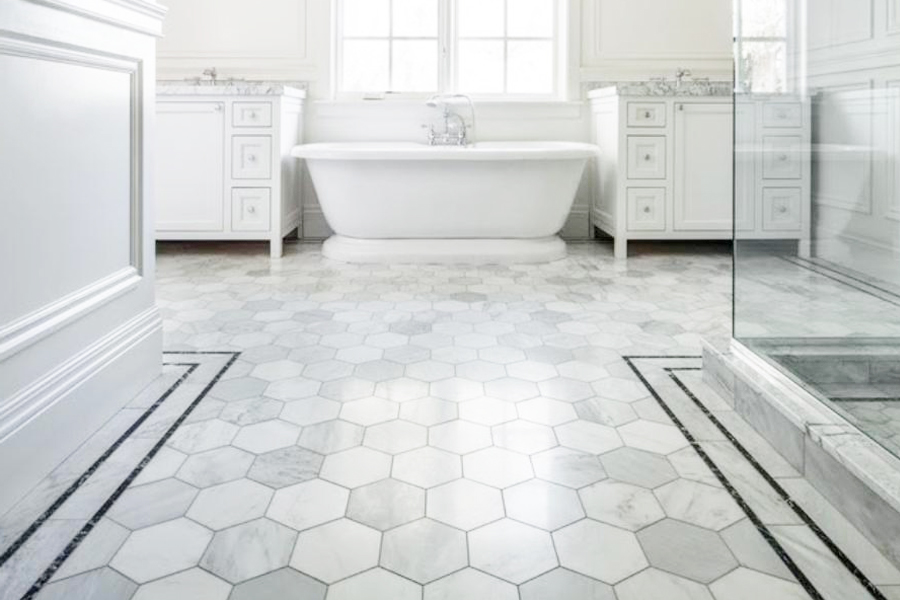
- Tile size and grout spacing also influence slip resistance.
For aging-in-place bathroom designs or households with children, selecting a slip-rated tile is especially important.
Design, Style, and Visual Impact
Both tile types offer extensive design flexibility.
- Ceramic Tile: Bright colours and decorative patterns, wall-to-floor design continuity, classic and transitional bathroom styles.
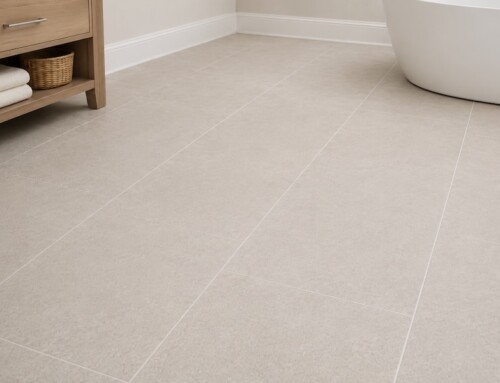
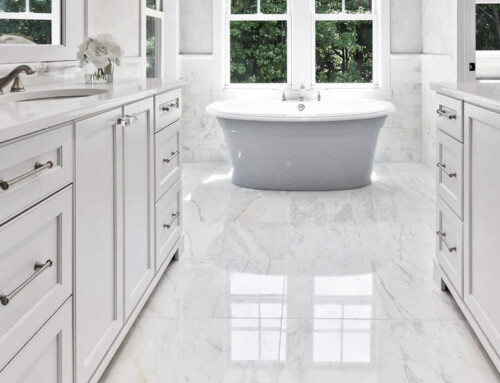
- Porcelain Tile: They are often chosen for natural stone or wood-look finishes, large-format tile designs, modern and spa-inspired bathrooms
Porcelain’s ability to mimic premium materials while offering superior performance makes it a popular choice in contemporary bathroom renovations.
Installation and Maintenance Considerations
Installation
- Ceramic tile is lighter and easier to cut, which can simplify installation.
- Porcelain tile requires specialised tools and experience due to its density.
Maintenance
- Both tile types are easy to clean with routine maintenance.
- Porcelain’s low porosity makes it more resistant to stains and mould.
- Proper grout sealing is essential for both materials.
Long-term maintenance often favours porcelain in high-moisture environments.
Cost Differences to Consider
While pricing varies by style and brand:
- Ceramic tile is generally more affordable upfront.
- Porcelain tile may cost more initially but can offer better long-term value due to durability.
The right choice depends on how the bathroom is used and how long the homeowner plans to stay in the space.
Which Tile Is Best for Your Bathroom Floor?
There is no one-size-fits-all answer when choosing between ceramic and porcelain tile. The decision should factor in:
- Bathroom size and usage
- Moisture exposure
- Design goals
- Long-term maintenance expectations
Primary bathrooms and high-traffic spaces often benefit from porcelain, while secondary bathrooms may perform well with ceramic tile.
Final Thoughts
When weighing ceramic vs porcelain tile for bathroom floor installations, the best option is the one that aligns with both lifestyle needs and design goals. Ceramic tiles offer versatility and affordability, while porcelain tiles deliver superior durability and water resistance.
Understanding how each material performs in real-world bathroom conditions allows homeowners to make confident, informed decisions that support both beauty and functionality.
Planning a bathroom renovation and comparing tile options? Metropolitan Bath & Tile offers design guidance to help you select materials that suit your space and long-term needs.
Frequently Asked Questions
Is porcelain tile better than ceramic for bathroom floors?
Porcelain tile is often preferred due to its lower water absorption and higher durability, especially in high-use bathrooms.
Can ceramic tile be used on bathroom floors?
Yes, ceramic tile can be used on bathroom floors, particularly in low-traffic or guest bathrooms when properly installed.
Which tile is easier to maintain?
Both are low-maintenance, but porcelain is more resistant to moisture and staining over time.
Are porcelain tiles slippery when wet?
Not necessarily. Many porcelain tiles are designed with slip-resistant finishes suitable for bathrooms.
Does tile size affect bathroom safety?
Yes. Larger tiles with minimal grout lines can look modern, while smaller tiles with more grout may offer better traction.