
Choosing the right bathroom vanity is one of the most impactful decisions in a remodel. Among the first choices homeowners face is whether to install a freestanding vs wall-mounted vanity. These two styles differ not only in appearance but also in how they affect space, storage, installation, and daily use.
Whether you’re planning a full bathroom renovation or just updating fixtures, understanding the practical and aesthetic differences between these vanity types helps you make a choice that enhances both form and function.
What Is a Wall-Mounted Vanity?
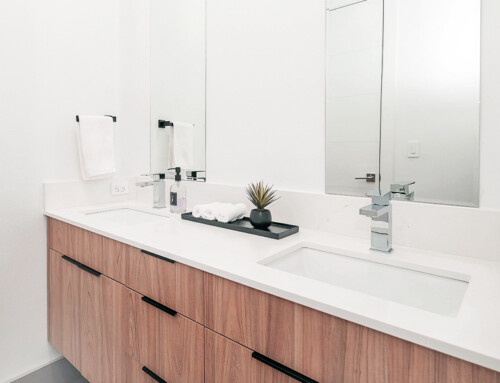
A wall-mounted vanity, also called a floating vanity, is secured to the wall, leaving space beneath it visible. This creates a sleek, modern look and highlights flooring or tile work. Because it doesn’t sit on the floor, it visually opens up the space and can make even smaller bathrooms feel larger.
What Is a Freestanding Vanity?
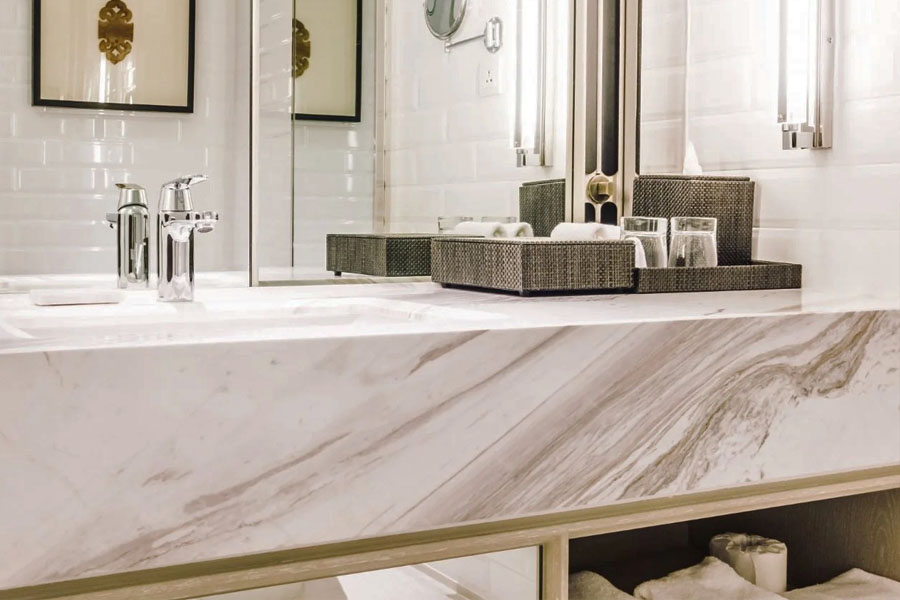
A freestanding vanity rests directly on the floor and often resembles a piece of furniture. It typically includes a full base and provides more built-in storage, making it a popular choice in traditional, transitional, and classic bathroom designs.
Aesthetic & Spatial Differences
Visual Impact and Style
Wall-Mounted Vanities:
- Create an airy, open feel that enhances perceived room size, especially useful in smaller bathrooms.
- Align well with modern, minimalist, or contemporary designs.
Freestanding Vanities:
- Provide a grounded, furniture-like presence that adds warmth and character.
- Ideal for traditional or transitional bathrooms where detail and craftsmanship are design focal points.
Space & Cleaning Considerations
Floor Space & Perception
Wall-mounted vanities make the bathroom feel more expansive due to visible floor space underneath, a visual trick that’s especially helpful in compact bathrooms or powder rooms.
By contrast, freestanding vanities occupy the floor, which can make smaller spaces feel fuller but also provides a substantial focal point in larger bathrooms.
Cleaning and Maintenance
Because a wall-mounted vanity leaves the floor area exposed, sweeping and mopping around the unit is easier. This can help maintain a cleaner space with less effort.
Freestanding vanities can collect dust or moisture around their base edges, requiring more effort to clean thoroughly, but some homeowners appreciate that there’s no visible plumbing exposed beneath a floating unit.
Storage & Functional Use
Storage Capacity
- Freestanding vanities typically offer more storage with deep cabinets, multiple drawers, and wider interior space for towels, toiletries, and bathroom essentials.
- Wall-mounted vanities can appear more streamlined, but their floating design often results in less internal storage. Some designs offset this with smart internal organizers or supplemental shelving.
If maximizing storage is a priority, a freestanding vanity often delivers more capacity without additional wall shelving.
Countertop & Daily Use
Freestanding vanities often support larger countertop surfaces, which can be helpful in busy family bathrooms where more surface space is needed for grooming and storage zones.
In contrast, wall-mounted vanities may limit counter depth in compact spaces but succeed in preserving clean sightlines and uncluttered surfaces.
Installation & Practical Considerations
Mounting & Structural Requirements
Wall-Mounted:
- Requires sturdy wall framing and precise anchoring into studs.
- Installation complexity can be higher, often necessitating a professional installer.
Freestanding:
- Typically easier to install, since it rests on the floor and aligns with standard plumbing configurations.
- Does not usually need wall reinforcement.
Plumbing Access
- Wall-mount styles may involve rerouting or adjusting plumbing inside walls for a clean installation.
- Freestanding models use traditional floor-mounted plumbing, which can simplify installation in existing bathrooms.
Durability & Long-Term Use
Water and Moisture Exposure
A wall-mounted vanity won’t contact standing water on the floor, potentially reducing moisture damage over time.
Freestanding vanities, although often sealed and finished to protect against moisture, may require attention along the bottom base where splashes and humidity accumulate. Proper sealing and materials tailored for wet spaces help prolong their life.
Access for Repairs
Wall-mounted units can offer easier access behind for plumbing repairs without disassembling cabinetry.
Freestanding vanities may conceal plumbing behind drawers or cabinets, requiring extra steps to access pipes or connections during maintenance.
Budget & Project Scope
Cost Factors
- Freestanding vanities can have a lower installation cost since they don’t require wall modifications.
- Wall-mounted vanities may be higher due to reinforcement and precise installation requirements, but many homeowners find the modern aesthetic worth the investment.
Budget considerations go hand in hand with design priorities and project goals.
Choosing Based on Bathroom Size and Layout
Small Bathrooms
Wall-mounted vanities often outperform freestanding units in small layouts by visually expanding space and improving movement flow.
Large Bathrooms
Freestanding vanities anchor spacious bathrooms with classic elegance and generous storage, making them well-suited for larger layouts where floor space isn’t limited.
Accessibility & Customization
Height Flexibility
Wall-mounted vanities allow homeowners to set them at a custom height tailored for ergonomic comfort, useful in homes with children, older adults, or accessibility needs.
Freestanding vanities come in fixed heights, so choosing a size that fits everyone in your household matters more.
Adaptive Design Options
Both vanity styles can be paired with accessories like vertical storage towers, mirrors, and lighting to expand functionality without compromising aesthetics.
Final Thoughts
Choosing between a wall-mounted and freestanding vanity comes down to your bathroom’s size, style, storage needs, and long-term usage. Wall-mounted vanities shine in modern layouts and small spaces, delivering a contemporary look and easier cleaning. Freestanding vanities offer robust storage, classic appeal, and installation flexibility that suits a wide range of traditional and transitional designs.
There’s no universal “best” choice, only what fits your renovation goals and daily routines. Understanding the practical trade-offs between freestanding vs wall-mounted vanity helps you renovate with confidence and clarity.
Explore our full bathroom vanity collection to see freestanding and wall-mounted designs that fit every space, style, and functionality needed.
Frequently Asked Questions
Is a wall-mounted vanity harder to install than a freestanding one?
Yes. Wall-mounted vanities require reinforced wall support and precise mounting, which often means professional installation is recommended.
Which vanity style offers more storage space?
Freestanding vanities generally provide more storage capacity with deeper cabinets and larger drawers.
Can I retrofit a wall-mounted vanity in an older home?
It depends on wall structure. Older walls may need reinforcement before supporting a floating vanity.
Are floating vanities easier to clean under?
Yes. The exposed floor space under a wall-mounted vanity simplifies sweeping and mopping.
Do freestanding vanities work in small bathrooms?
They can, but they may make the space feel smaller, so careful measurement and style choice are important.