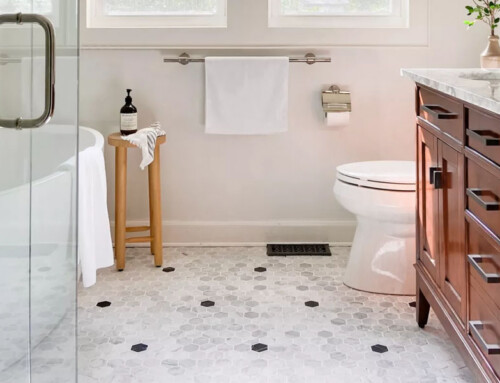

Choosing the right tub turns a bathroom from simply functional into a personal retreat. Whether you’re updating a guest bathroom or designing a luxury ensuite, selecting the best bathtubs involves balancing style, material, and usability. From the ideal materials to the rising popularity of the best one-piece bathtub shower combo units, you’ll find the insight to make a well-informed decision.
What Makes a Great Bathtub?
Before diving into specific models or materials, it helps to understand what defines a “great” tub. In other words, what do homeowners care about?
- Comfort: Depth, ergonomic shape, soaking potential.
- Material/durability: How long it will last, how it feels, how it retains heat.
- Style/design: Does it fit the room’s look? Freestanding, alcove, one-piece shower combo.
- Ease of maintenance: Smooth surfaces, materials that resist staining and wear.
- Functionality for your space: Size, weight (especially for heavier materials), and installation complexity.
Keeping these in mind helps you evaluate options more clearly.
Choosing the Best Bathtub Material
One of the most important considerations is what material the tub is made of; this affects everything from cost and durability to comfort and installation.
Common Materials & Their Pros & Cons
- Acrylic: Lightweight, retains heat fairly well, and is easier to install. Good all-round choice.
- Fiberglass: More budget-friendly, lightweight, but less durable over time.
- Porcelain-enameled steel / cast iron: Very durable, great heat retention (especially cast iron), but heavier and may require floor reinforcement.
- Stone resin / solid surface/copper: Premium materials with strong aesthetic appeal and longevity, but high cost and often heavy.
How to Pick Based on Your Priorities
- If the budget is limited, then go for acrylic or fiberglass.
- If you want long-term durability and a premium feel, then go for cast iron, stone resin, or copper.
- If installation constraints (floor support, space) matter, then going for lighter materials may be smarter.
- Think about heat retention (for comfortable soaks) and maintenance needs.
Tub Types: Style Meets Function
Choosing the tub type is as important as the material. Let’s look at common types and how they align with style and usability.
- Alcove / Standard Tub: Built into three walls; often the most common in primary or guest bathrooms. Good for a mix of bath + shower.
- Freestanding Tub: A design statement. Works well in larger bathrooms or where the tub is a focal point. Style-forward but may require more space and plumbing flexibility.
- One-Piece Bathtub-Shower Combo: Combines bathtub and shower in a single, integrated unit. Ideal for families or when you want both options in one footprint. Gives versatility without needing a separate shower.
- Soaking Tub / Deep Tub: If the goal is relaxation, deeper tubs allow immersive soaks (legs and torso). Great for a spa-like experience.
How to Choose the Right Tub for Your Project?
Here are practical steps you or your clients should follow:
- Measure Your Space & Plumbing: Check available dimensions (length, width, depth), drain location, water supply, and floor strength (especially for heavy materials).
- Define Your Usage: If the tub is mainly for showers, then a One-piece tub/shower combo or an alcove tub with a shower head makes sense. If it’s for full relaxation soaks, then a deeper tub, such as a freestanding would be good. If you want it for multiple users/family use, then consider size, durability, and easy-to-clean materials.
- Select Material Based on Need & Budget: Consider long-term value: cheaper material may need replacement sooner.
- Consider Style & Design Integration: Choose a tub that fits the bathroom’s design theme: contemporary, classic, or minimalist. Freestanding tubs often serve as focal points; drop-in or alcove tubs often blend in.
- Decide on Additional Features: Jets, whirlpool, air bubbles, heated surfaces, and integrated headrests. These add comfort but raise cost and installation complexity.
- Ensure Professional Installation: Especially important for heavy tubs, complex materials, or one-piece combos. Improper installation can compromise comfort, durability, or plumbing integrity.
Maintenance, Longevity & Care of Your Bathtub
To keep your bathtub looking and performing its best:
- Clean regularly with non-abrasive cleaners (especially for acrylic/stone resin).
- Avoid harsh scrubbing on softer materials (acrylic/fiberglass) to prevent scratching.
- For heavy tubs (cast iron/stone), monitor floor support and check for leaks.
- Consider lifespan: acrylic/fiberglass ~10-15 years; cast iron/stone can last significantly longer.
Final Thoughts
Choosing the best bathtub is about aligning style, comfort, practicality, and budget. Whether you prioritize luxurious soak time or want a sleek one-piece tub/shower combo for family use, selecting the right material and design is key. At Metro Bath & Tile, you’ll find options that deliver on all fronts. Let your tub become more than functional, let it become a space of relaxation and design elegance.
FAQs
What is the best bathtub material overall?
There’s no one “best” for everyone. Materials like cast iron or stone resin score high for longevity and heat retention, while acrylic offers lightweight installation and good value.
Are one-piece bathtub-shower combos a good choice?
Yes, especially if you want both bathing and showering in a single footprint. They’re space-efficient and combine functionality with comfort.
How deep should a soaking tub be?
Depths above ~14-16 inches allow more immersion; many soaking tubs go 18-20+ inches deep.
Do freestanding tubs require special flooring support?
Often yes. Especially heavy materials like cast iron or stone resin may need reinforced subflooring or joists.
How often should a bathtub be replaced?
It depends on the material and use. Cheaper materials may need replacement within 10-15 years; premium materials might last much longer.